Can Carrier Billing Be Used for Ringtones Still?
In the early days of mobile phones, personalized ringtones were all the rage. Users frequently purchased downloadable tones billed directly to their phone accounts, often through a method known as carrier billing. But now, with the evolution of smartphones, streaming, and app stores, many wonder: is carrier billing still a viable way to buy ringtones today?
This article dives deep into the question by exploring what carrier billing is, the relationship between carrier billing and contract types, the user experience benefits, and the trust factors consumers associate with billing through their mobile operators. We will also clarify common confusions and explain why carrier billing remains a relevant — though sometimes overlooked — payment method for digital content like ringtones.
What Is Carrier Billing?
Carrier billing, also known as direct carrier billing (DCB), is a payment method that allows users to purchase digital content or services and charge the cost directly to their mobile phone bill or deduct it from their prepaid balance. In other words, the telecom operator acts as the intermediary, collecting payments on behalf of merchants and digital providers.
The appeal of carrier billing lies primarily in its ease of use and accessibility. Consumers do not need a credit card, bank account, or third-party payment service account to complete transactions. Instead, the cost appears on the monthly invoice (for contract customers) or is deducted immediately (for prepaid users). This convenience can drive higher conversion rates in mobile commerce, especially for small-value purchases like ringtone downloads.
Basic Flow of a Carrier Billing Purchase
- Consumer selects digital content (e.g., ringtone) on a mobile website or app.
- Payment option is chosen as carrier billing.
- Carrier authentication often happens silently or via confirmation prompts.
- Payment is approved and charged to either the phone bill or prepaid balance.
- Content delivery occurs immediately or is made available for download.
Ringtones and Carrier Billing: Historical Context
Between the late 1990s and early 2010s, ringtones represented a significant revenue stream for mobile carriers and digital content providers. Carrier billing was a fundamental enabler of this market, since alternative online payments were less widespread, especially on mobile devices. Consumers appreciated the ability to obtain new tones quickly without complicated checkout processes or credit card requirements.
However, as smartphones and app stores matured, the ringtone market declined. Streaming music services, customizable wallpapers, and integrated notification sounds replaced standalone ringtone purchases. Pretty simple.. Despite that, carrier billing remains a robust option for small digital content transactions, including specialized ringtones in certain markets and niche genres.
Monthly Contract vs. Pay-As-You-Go Behavior
The type of mobile plan a user is subscribed to influences how carrier billing works and their payment behavior:
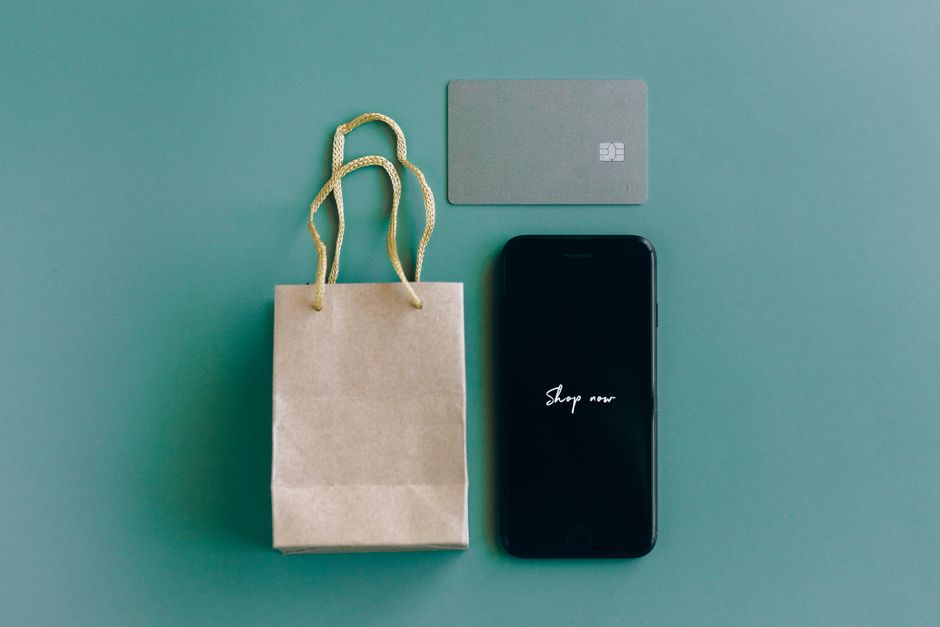
- Monthly Contract Customers: These users receive a monthly bill summarizing usage and charges. Carrier billing items typically appear as line items on this invoice. Contract users may feel more comfortable purchasing digital content via carrier billing because they trust the monthly reconciliation process and don’t see individual charges instantly deducted from a wallet or prepaid balance.
- Pay-As-You-Go (Prepaid) Customers: Charges are deducted immediately from a prepaid balance. This can increase the perception of spending control but may also restrict impulse purchases if the prepaid balance is low. Additionally, prepaid users may experience transaction failures if their balance is insufficient.
Both types of customers can benefit from carrier billing for ringtone purchases, but user experience can vary. Understanding these distinctions helps merchants design payment flows that work for their target segments.
Implications for Merchants and Consumers
- Merchants offering ringtones or other digital content need to consider which user base they are targeting. Offering carrier billing alongside other payment options caters to a broader audience.
- Consumers can leverage carrier billing to avoid inputting card details or creating accounts, especially if they prefer simplicity or do not have access to other payment methods.
Checkout Speed and Reduced Friction
One of carrier billing’s greatest competitive advantages is its streamlined checkout process. For digital content purchases such as ringtones, minimizing friction at checkout is critical to capture impulse buys and low-ticket sales.
Common payment experiences often involve:
- Entering sensitive data such as credit card number, expiration date, and CVV.
- Logging into third-party payment platforms or digital wallet accounts.
- Multi-step verifications that can cause cart abandonment.
In contrast, carrier billing typically:
- Requires only a phone number or can complete charges automatically when logged in via mobile networks.
- Omits the need to input card details or passwords repeatedly.
- Offers prompt confirmation messages either via app or SMS.
This accelerated path encourages users to complete purchases, particularly on mobile devices where typing is less convenient. For ringtone vendors, whose purchase price might be just a couple of dollars, this reduction in friction can translate into significant revenue retention.
Perceived Security and Trust in Carriers
For many consumers, the direct association of charges with their trusted mobile operator enhances the perceived security of purchases. Phone bills are familiar documents, often reviewed monthly, and suspicious charges can be disputed with carrier support.
This trust factor is absent or less pronounced with lesser-known digital payment providers, especially among users who are wary of online fraud or dubious merchants. Carrier billing taps into the reputation and established billing infrastructure of telecom operators, providing reassurance.
Common Security Concerns and Protections
- Fraud Prevention: Mobile carriers invest heavily in detecting unauthorized purchases and fraudulent activity.
- Dispute Resolution: Users can contact their carrier for billing disputes, adding a safeguard layer that reduces risk.
- Limited Purchase Amounts: Transaction limits and daily caps minimize potential losses.
These protections can make consumer adoption easier, especially for small purchases like ringtones, where users may hesitate to share financial data but are still willing to spend small sums through trusted interfaces.
Is Carrier Billing Still Used for Ringtones Today?
Yes, carrier billing continues to be an option for ringtone purchases, but its viability depends on several factors:
- Market Differences: In some international markets, carrier billing remains widely adopted for digital content, including ringtones.
- Mobile Ecosystem Evolution: The rise of comprehensive app stores and streaming subscriptions has reduced the demand for standalone ringtone purchases.
- Regulatory and Carrier Policies: Some carriers have tightened restrictions on premium content billing due to historical billing disputes and consumer complaints, but others maintain flexible carrier billing platforms.
- Partnerships: Digital content providers collaborating directly with carriers can leverage dedicated billing integrations to offer ringtones via carrier billing, maintaining an accessible purchase path.
While the ringtone boom of the early 2000s is behind us, carrier billing is still technically and commercially possible for ringtone sales, especially in segments focused on personalized content, niche genres, or where consumers prefer convenience over complex payments.
Summary: Benefits and Challenges of Using Carrier Billing for Ringtones
Aspect Benefits Challenges Ease of Use One-click payments; no card entry needed Sometimes requires carrier-specific authentication steps Trust Leverages consumer confidence in carrier billing Dependence on carrier reputation and policies Customer Segments Works for both contract and prepaid users Prepaid users may face balance limitations Market Dynamics Popular in regions without universal credit card access Declining ringtone market reduces demand overall Technology Integration Integrates with modern mobile apps and web checkout Requires carrier partnership and technical setupFinal Thoughts
Carrier billing remains a viable and secure payment method for purchasing digital content, including ringtones. Although the overall ringtone market has diminished due to changing consumer preferences and new content delivery models, carrier billing’s advantages in reducing checkout friction and enhancing consumer trust mean it still holds pay by phone value.
For merchants and digital providers targeting mobile users, integrating carrier billing, alongside other payment options, ensures accessibility for a broad audience—particularly those who prefer charging purchases directly to their phone bill rather than managing external payment methods.
Ultimately, while carrier billing for ringtones is not as dominant as it once was, it still offers a convenient, trusted, and frictionless payment path worth considering in today’s diverse digital marketplace.
