How Does a Rolex Collateral Loan Work in Beverly Hills?
A Rolex can be more than a timepiece: if you own a desirable model, it may help you access short-term financing without selling it. In a Rolex collateral loan, you offer the watch as security for a loan, the lender assesses its value and condition, and—if you accept the terms—the lender holds watch collateral until you repay the balance and any agreed charges.
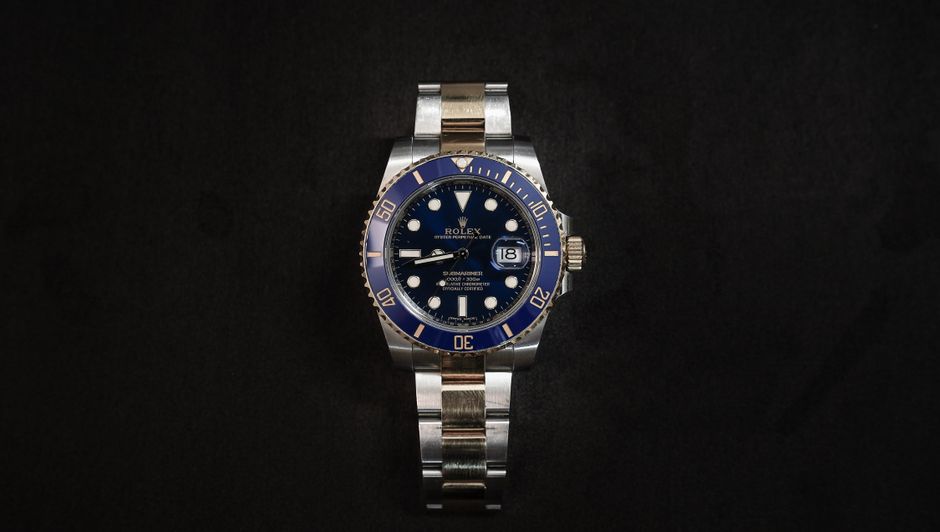
In Beverly Hills, where luxury watches move through resale shops, specialist dealers, and private transactions, the process may feel familiar but the details matter. A loan is not the same as a sale or a consignment. You are borrowing money against an asset, and you generally risk losing the watch if you do not meet the agreement’s repayment terms. Before you borrow against a Rolex, understand how valuation, custody, interest, and repayment work, and compare the written terms with the watch’s likely resale value.
What Is a Rolex Collateral Loan?
A Rolex collateral loan is a secured loan backed by your watch. The lender evaluates the specific reference, condition, authenticity, completeness, and current resale demand. If it approves the watch, it makes a loan offer. You decide whether to accept it. If you do, the lender typically takes possession of the watch for the term of the loan.
This differs from selling your Rolex. With a sale, you transfer ownership and receive an agreed purchase price. With a watch-backed loan, you retain the right to reclaim the watch by paying what the contract requires, on time. The watch is collateral, not simply an item left for safekeeping: the agreement may authorize the lender to sell it if you default, subject to the contract and applicable law.
Terms vary by lender. Ask for the loan amount, interest rate, fees, repayment deadline, renewal or extension options, storage and insurance arrangements, and default process in writing. Do not assume that a verbal explanation, a text message, or a general website description replaces the signed agreement.
How the Process Usually Works
- Request an evaluation. Share the model or reference number, approximate age, condition, and whether you have the box, papers, service records, or other accessories. A lender may provide an initial estimate, but a final offer often depends on physical inspection.
- Authenticate and inspect the watch. The lender checks that the watch is genuine and evaluates its physical condition and configuration. It may inspect the case, dial, bracelet, movement, serial and reference details, and any replacement or aftermarket parts. Authentication procedures differ, so ask what is examined and whether you can receive a written intake record.
- Review the valuation and offer. The amount offered is not necessarily the same as a retail asking price or the highest price a watch might bring at auction. A lender typically considers the price it could reasonably realize if it had to sell the collateral, along with liquidity, model-specific demand, condition, and the risks of holding the watch.
- Read and sign the agreement. Confirm the amount you will receive after fees, the cost of keeping the loan, the due date, and what happens if you need more time. Make sure the contract identifies the watch accurately and describes storage, insurance, and release procedures.
- Receive funds and leave the watch in custody. Once the agreement is complete, the lender disburses the loan through its stated method. The watch remains with the lender while the loan is outstanding.
- Repay and collect your watch. After satisfying the amount due under the contract, arrange for the watch to be returned. Inspect it and compare its identifying details and condition with your intake documentation.
How Much Can You Borrow Against a Rolex?
There is no single loan-to-value figure that applies to every Rolex or every lender. A steel sports model with strong resale demand may be evaluated differently from a precious-metal dress watch, a less commonly traded reference, or a watch with condition concerns. The same reference can also receive different offers depending on its year, dial, bracelet, service history, originality, and the lender’s own selling network.
Expect a lender to consider a conservative, realizable value rather than an optimistic online listing. Asking prices are not confirmed sale prices, and a loan offer is not a promise that the watch will sell for that amount. The lender is accounting for the possibility that the market changes while it holds the watch, as well as the time and costs involved in resale.

Rolex Resale Recovery in 2026: The Context Behind an Offer
Rolex resale values have not followed a straight line. During the rapid luxury-watch surge around 2020–2022, some popular references climbed sharply in the secondary market. Prices then fell from their peaks as speculative demand cooled, supply and buyer expectations shifted, and shoppers became more selective. The post-2022 slump was not identical across all models: the depth and timing of price changes varied by reference, condition, and market segment.
By 2026, market watchers have been discussing a recovery in parts of the Rolex resale market. That does not mean every Rolex has returned to its former peak, or that every model is appreciating. It means current pricing should be assessed with recent, reference-specific evidence rather than assumptions based on the boom years or the downturn.
For example, Rolex secondary-market prices rose 1.7% in Q1 2026 vs the previous quarter. Treat a market-wide change like this as a broad indicator, not a forecast for a particular watch. A loan valuation still depends on the exact reference and the lender’s assessment of https://www.latimes.com/b2b/business-partnerships/story/2026-10-01/sell-rolex-los-angeles its likely resale price.
To understand the longer timeline, a borrower might compare prices around the 2022 high point, subsequent declines, and more recent movement. WatchCharts is a watch-pricing platform that can help track estimated market trends and reference-level pricing. EveryWatch is a watch-auction platform that can help users review auction listings and results. These tools offer useful context, but they do not replace a physical inspection or a lender’s offer. Auction results, dealer sales, and private transactions may reflect different fees, buyer pools, and conditions.
Market coverage can add another layer of perspective. The Los Angeles Times has reported on luxury and consumer-market trends, while Morgan Stanley research has examined the broader Swiss watch industry and brand performance. Such sources can help explain the environment around resale, but industry-level reporting is not a valuation of your individual watch. For a loan decision, prioritize recent evidence for the same reference and comparable condition.
What Does Certified Pre-Owned Mean for Credibility?
Rolex Certified Pre-Owned (CPO) is a brand-backed program offered through participating retailers for eligible pre-owned watches. A CPO watch is sold with the assurance and documentation associated with the program, subject to its terms. That can give buyers added confidence in a resale purchase, but it is not the same thing as a guarantee that every pre-owned Rolex on the market is certified, nor does CPO automatically establish the collateral value a lender will use.
In a loan evaluation, credibility comes from several pieces of evidence: a credible authentication process, a clear condition report, consistent identifying details, and documentation where available. Original box and papers can be helpful, but their absence does not by itself prove that a watch is not genuine. Likewise, paperwork should be assessed rather than accepted uncritically.
Questions to Ask Before You Sign
- What is the total cost? Ask for a clear breakdown of interest, origination or administration charges, storage fees, and any other costs. Confirm how the total changes if you repay early or extend the term.
- Where and how will the watch be stored? Ask about secure custody, insurance coverage, and whether the policy covers the watch’s agreed value while it is in the lender’s possession. Request the relevant details in writing.
- What happens if I miss the deadline? Clarify any grace period, default trigger, notice process, and the lender’s rights to sell the watch. Do not rely on an assumption that an extension will be approved.
- How is the watch documented at intake? Ask for a receipt or condition report that identifies the reference, serial information as appropriate, accessories, and visible condition. Take your own dated photographs before handing it over.
- How was the offer calculated? Ask what comparables or market information informed the amount. You may use WatchCharts and EveryWatch as reference points, but compare like with like and remember that asking prices are not completed transactions.
- Can I get the watch back promptly after repayment? Confirm the steps, timing, identification requirements, and any appointment needed for release.
Loan, Sale, or Consignment?
A collateral loan may suit someone who needs funds temporarily and wants the opportunity to reclaim the watch. Selling may be a better fit if you no longer want the Rolex and prefer not to incur borrowing costs or face a repayment deadline. Consignment can offer another route: a dealer or platform markets the watch on your behalf and pays you after a sale, less agreed fees. It is not immediate cash, and the watch may remain unsold for a period.
Compare the net outcomes, not just the headline numbers. A loan gives you funds now but creates an obligation. A sale turns the watch into cash permanently. Consignment may target a higher sale price but involves uncertainty and time. If the watch has personal significance or is difficult to replace, factor that into the decision as well as the dollars.
Practical Takeaway for Beverly Hills Rolex Owners
A Rolex collateral loan can be a useful financing option when you understand the trade-off: you receive money while the lender holds watch collateral, and you can recover the watch only by meeting the contract’s requirements. In a recovering but uneven 2026 resale market, use current, model-specific information rather than relying on broad headlines or a remembered peak price.
Get the offer and all costs in writing, document the watch’s condition before intake, verify how it will be stored and insured, and understand the default process before signing. Compare the loan with selling or consigning, and consider seeking independent legal or financial advice if the agreement is unclear or the amount is significant. The right choice is the one that fits your cash needs, repayment ability, and willingness to place a valued watch at risk.