Is "Replacement Cost" Supposed to Be Generous on Purpose?
When it comes to high-value timepieces like Rolex watches, understanding the nuances of insurance replacement value versus resale value is crucial for both buyers and sellers. Watch enthusiasts and collectors often encounter the term insurance replacement value—especially in the context of a watch insurance appraisal. But is this "replacement cost" figure supposed to be generous by design?
In this comprehensive blog post, we'll unpack how companies such as Diamond Banc approach these calculations, drawing insights from Market Realist's market analysis, and discuss the critical differences between secondary market prices and Manufacturer's Suggested Retail Price (MSRP). We'll also explore how scarcity from discontinuation and collector demand cycles affect these valuations, relying on data from auction results and dealer sales to provide clarity.
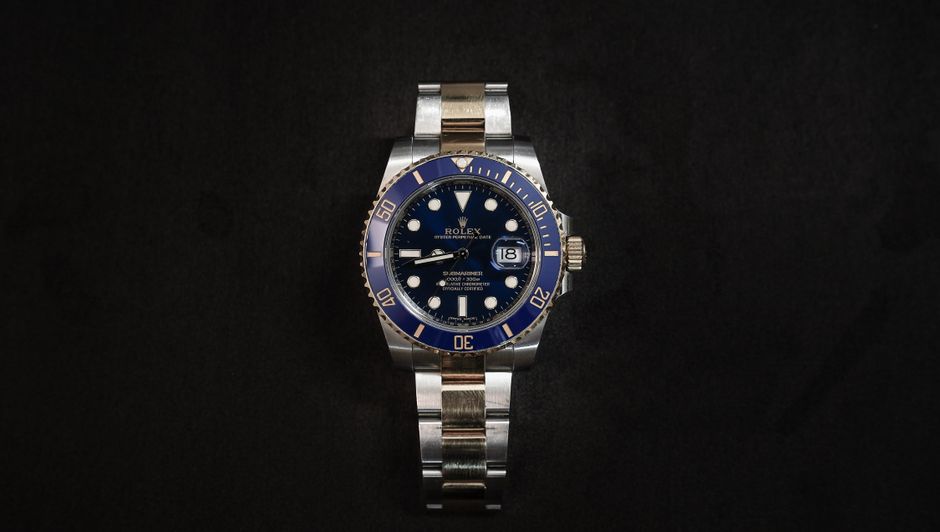
Defining "Insurance Replacement Value"
The term insurance replacement value is often misunderstood or conflated with resale or market value. It's important to clarify:
- Replacement value is the estimated cost to replace the watch with a similar one today, factoring in current market conditions, plus any applicable taxes and fees.
- Resale value is the actual amount a seller might receive if they sold the watch on the secondary market.
While these two can be close, especially for readily available models, they often diverge significantly—particularly with collectible, discontinued, or highly sought-after brands like Rolex.
Why Would Replacement Cost Be "Generous"?
Insurance appraisals are designed first and foremost to protect the insured. The replacement cost figure errs on the side of conservatism, often leaning towards generosity, to:
- Ensure full coverage: If the insured watch is lost, stolen, or damaged, the payout should be enough to acquire a comparable replacement in today's market without additional out-of-pocket expenses.
- Account for market fluctuations: Watches, especially from brands like Rolex, can appreciate or decline quickly due to changes in scarcity, collector interest, and discontinuations.
- Reflect dealer acquisition costs: Authorized dealers include markups beyond MSRP, and in the secondary market, scarcity often drives prices higher than retail.
- The coverage model perspective: Insurance companies want to price their risk adequately; an undervalued replacement cost leads to underinsurance and potential loss for the policyholder.
Example: No Explicit Price, But Plenty of Market Nuance
Though no explicit prices were provided in some recent scraped market data, examining how Rolexes trade at auction versus MSRP gives insights. For example, a discontinued Rolex GMT-Master II, highly coveted and no longer available from authorized dealers, fetches premiums above new retail prices when sold by dealers or via auction houses.
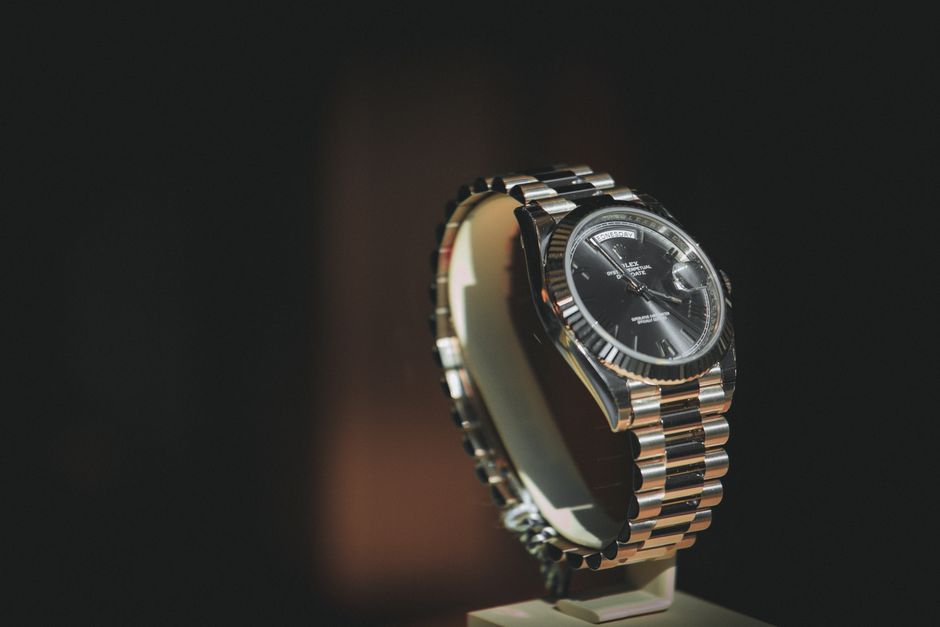
This reality forces appraisers and insurance companies, perhaps working alongside institutions like Diamond Banc, to list replacement values that exceed MSRP. This avoids underestimating what it would take a policyholder to rolex condition grading replace their watch.
Secondary Market vs MSRP: The Rolex Case Study
Rolex is a perfect example to illustrate the difference between MSRP and secondary market pricing. Authorized Rolex dealers stick to MSRP (list prices), but demand often outpaces supply for popular models.
- Discontinued models: When Rolex discontinues a reference, scarcity increases and prices at auction or dealer sales often climb significantly.
- Collector demand cycles: Vintage Rolexes and limited-edition pieces tend to appreciate, fueled by collector enthusiasm.
- Auction results: Recent auction sales for rare Rolex references often reveal prices that far exceed official MSRP.
For someone seeking a replacement after loss or theft, it's simply unrealistic to rely on MSRP pricing in their insurance appraisal or when expecting coverage.
Rolex Appraisal vs Resale: Quick Reality-Check Questions
When reviewing a Rolex appraisal, always ask:
- What did a comparable model actually sell for last week at auction or through dealer channels?
- Is the appraisal reflecting market scarcity or simply MSRP?
- Are sales comps from verified transactions cited or just suggested retail pricing?
Appraisals failing to incorporate recent transaction comps or ignoring secondary market realities may give an artificially low replacement cost, putting policyholders at risk of underinsurance.
The Role of Collector Demand Cycles and Scarcity
Collectors' interest dramatically affects watch valuations and thus insurance replacement values. Consider the impact of these market dynamics:
- Limited editions or discontinued models: Often command premiums as they become harder to source new.
- Seasonal or cyclical demand: Certain models might boom in popularity due to celebrity endorsements, market trends, or renewed interest in vintage styles.
- Global market factors: Currency fluctuations, geopolitical issues, and shifting consumer wealth influence pricing internationally.
Insurance replacement appraisals must, therefore, be forward-looking and dynamic, updated frequently based on real-time pricing rather than static MSRP lists.
Utilizing Auction Results and Dealer Sales for Accurate Appraisals
Reliable insurance replacement values rely on analyzing recent sales data—from auction houses and recognized dealers—to ground estimates in reality. Tools commonly employed include:
- Auction results: Transparent sales prices provide solid market comps for rare or discontinued models.
- Dealer sales data: Secondary market dealer listings and closed sales offer insight into current retail pricing trends.
- Price trend analysis: Platforms like Market Realist offer in-depth market reports highlighting watch value trends and demand shifts.
Combining these data sources creates an appraisal reflective of what a consumer would truly pay—not just what a manufacturer suggests.
Conclusion: Why Generosity in Replacement Cost Matters
To wrap it up, the "generosity" of an insurance replacement cost figure is purposeful and necessary. For luxury watches—especially iconic ones like Rolex—a replacement cost that mirrors the dynamic, often volatile secondary market helps:
- Protect the insured from under-compensation.
- Acknowledge premiums driven by scarcity and collector demand.
- Encourage accurate, real-time appraisal updates based on auction and dealer sales.
Brands and organizations such as Diamond Banc recognize these nuances, providing appraisals and valuations that reflect the complex reality beyond MSRP. As informed consumers or insurance policyholders, it’s vital to question whether a stated appraisal is truly market reflective—and if it isn’t, to seek valuations based on robust data and transaction comps.
Key Takeaways
Concept Insight Insurance Replacement Value Designed to cover full replacement cost, often exceeding resale or MSRP prices. Rolex Appraisal vs Resale Appraisals should rely on recent auction results and dealer sales, not just MSRP. Market Influences Discontinuations, collector demand cycles, and scarcity drive secondary market premiums. Data Sources Reliable valuations use real-time pricing from auctions and dealer transactions. Consumer Action Always verify appraisal figures with recent sales and demand trends.For anyone navigating watch insurance appraisals, differentiating replacement costs from market or resale value is not just semantics—it’s essential for informed protection and financial planning.