What’s the Biggest Mistake People Make with Inherited Watches?
Inheriting a watch—especially a high-end or vintage piece—can feel like receiving a hidden treasure. It’s natural to want to understand its value, protect it, and maybe even sell it when the time is right. However, a common and costly mistake many people make involves confusing insurance appraisals with actual resale value, overlooking crucial details like condition and originality, and assuming that a reference number alone tells the whole story.
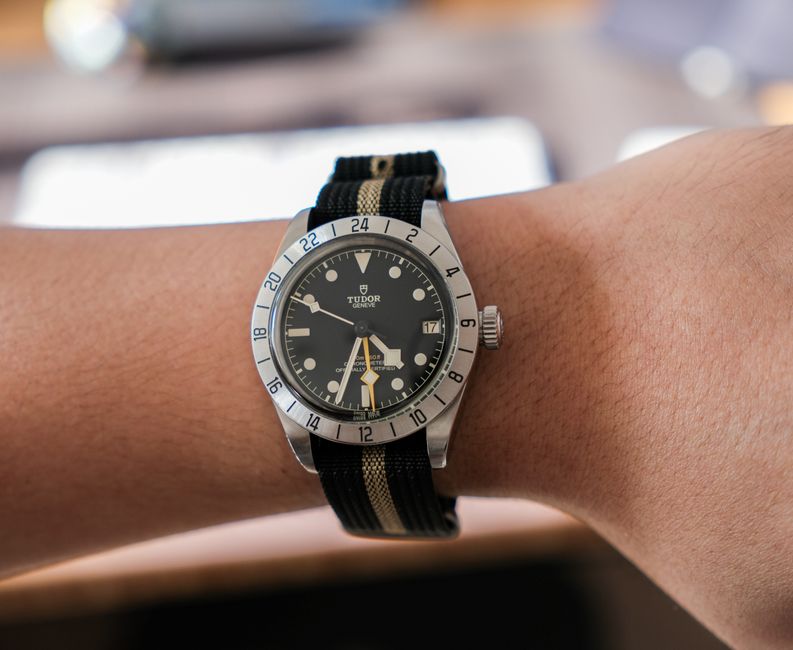
With nine years working the pre-owned watch industry, from counter service to resale and collateral evaluation, I’ve seen this pattern dozens of times. Whether it’s clients from Diamond Banc bringing in vintage Rolexes or friends at Daily Sundial (CSUN) trying to price collectibles for a campus garage sale, the lesson is clear: mixing insurance and resale value—and not checking comparable sales—can lead to big surprises.
Insurance Appraisal vs. Resale Reality: Why Mixing These Matters
Let’s start by tackling the hype versus reality. When a homeowner’s policy paperwork lists a figure for an inherited watch—often based on an insurance appraisal—people tend to assume this is a direct “market value.” This is a classic pitfall.
Insurance appraisals are designed to protect you in case of theft, loss, or damage. They are often set higher than what you might actually get selling the watch because these appraisals must cover replacement cost, including dealer margins, new conditions, and sometimes inflated pricing to avoid under-insuring. However, appraisal values rarely reflect what a watch will actually fetch on the resale market.
Resale price depends heavily on current demand, condition, originality, the reference number, and authenticity. So, a watch valued at $10,000 on homeowner's paperwork might realistically sell for 70–80% of that, or even less, depending on these factors.
Case in Point: The Role of Dealer and Collector Networks
In markets such as those serviced by Diamond Banc or collectors linked through Cosmic Press, dealers don’t just eyeball value. They rely on recent comparable sales and direct offers. This network gives them real-time intel about what watches are moving for—not just theoretical numbers on paper.
So before you make any decisions based on an insurance appraisal, dig into recent sales comps from trusted dealer networks or recent auction results. What did it actually sell for last month? is the question I always ask.
Reference Number Isn’t the Whole Story
A watch’s reference number is like a model identifier—it tells you the basic design, features, and sometimes even production year. However, many people think the reference number alone defines a watch’s value. This is far from the truth.
Two watches with the same reference number can have wildly different values based on:
- Condition: Is the watch unpolished or has it undergone heavy polishing? Polishing can alter the case’s shape and reduce value.
- Originality: Are all parts original? Replacement dials, hands, crowns, or movements can significantly decrease desirability.
- Service History: Proper servicing with authentic parts can maintain or increase value, but uncertified or non-authorized repairs may hurt it.
- Provenance: Does the watch come with box, papers, or documentation? These can enhance buyer confidence and price.
For example, a Rolex Submariner 5513 with its original dial, hands, and intact tritium lume commands more than one with replacement parts, even though the reference number is identical. Ignoring these details will lead to an inaccurate estimate and frustration when offers aren’t what you expected.
Condition and Originality: The Twin Pillars of Value
Condition and originality go hand-in-hand, but both are nuanced. Let’s break down what you should look for:
- Dial: Original dials often show patina or slight aging but avoid “refinished” or repainted dials unless done expertly. Many collectors prize untouched dials.
- Case and Bezel: Heavy polishing can smooth out sharp edges and reduce perceived quality. Some scratches are acceptable, but proportions must remain intact.
- Movement: A movement that runs precisely and has a documented service history increases buyer trust.
- Bracelet and Clasp: Original bracelets with correct hallmarks and minimal stretch add value. Replacement parts reduce desirability.
Anyone selling or even insuring a watch should include a checklist—box, papers, service history, and condition description—for accuracy. I always recommend gathering as much documentation as possible because it can significantly influence final sale price.
Authentication Matters: Don’t Skip This Step
Authenticity isn’t green bezel submariner value just about fakes; it’s about making sure all parts align with the model and era. Even dealers in reputable places like Diamond Banc and collectors affiliated with Cosmic Press rely heavily on authentication before they make offers. A questionable dial or replaced movement can lead to lowball bids or outright rejection.
Authentication also helps avoid future disputes and gives you leverage when negotiating prices. Certificates from watchmakers or recognized authentication services add tangible weight to any offer.
Avoid These Common Missteps
Here are the top mistakes I see people make when dealing with inherited watches:
- Mixing Insurance and Resale: Assuming an insurance appraisal is the exact resale value without verifying actual sales.
- Assuming Value Based Solely on Textbook Specs: Believing the reference number guarantees a floor price, ignoring condition and originality.
- Not Checking Comps: Skipping research into what similar watches recently sold for, especially within dealer and collector communities.
- Ignoring Authentication: Taking offers without verifying the watch’s authenticity and originality leads to lower or no offers.
- Overlooking Documentation: Selling or quoting value without collecting box, papers, and service history loses tens of percent in offers.
How to Get a Realistic Offer: A Step-by-Step Guide
Ready to avoid these traps? Here’s a checklist to guide you through valuing your inherited watches:
- Gather Documentation: Find any original boxes, papers, service records, and homeowner’s insurance appraisals.
- Research Recent Sales: Use trusted sources or dealer/collector networks like those linked through Diamond Banc or Cosmic Press to find up-to-date comparable sales.
- Evaluate Condition and Originality: If you’re unsure, consider a professional evaluation from a reputable dealer or service center.
- Authenticate: Obtain certificates or trusted verification to confirm all parts are period correct and original.
- Seek Multiple Offers: Contact pre-owned watch specialists or platforms with a strong dealer base to get a range of market-based quotes.
- Avoid Relying on Insurance Value: Use insurance appraisals only as a general guide for protection, not as a direct market price.
Final Thoughts
Inherited watches can be incredibly rewarding—emotionally and financially—if you approach them correctly. Treat insurance appraisals and replacement values as protective measures, not guaranteed sale prices. Pay attention to condition, originality, authentication, and market comps. And never forget to ask: “What did it actually sell for last month?” That question cuts through hype and gives you leverage.

Whether you’re a student flipping a family heirloom around Daily Sundial (CSUN), writing for Cosmic Press with curiosity about market dynamics, or bringing a watch in to Diamond Banc for collateral evaluation, following these principles will help you avoid the biggest mistake people make with inherited watches.
Remember: a well-informed seller is less likely to get lowballed or shocked by market realities. Protect your investment by getting educated—it pays off.